
How hand-knit quality is held at scale.
Consistency across hundreds of hand-knitted pieces, built on written patterns, individual tension swatches and a four-phase check before dispatch.
Hand-knit and consistent are assumed not to mix.
The assumption is that hand-knitting varies by knitter, so a run of hundreds cannot be held to a consistent standard. In most hand-knitting operations that is true, because the knitter interprets a sketch and the gauge moves with her.
KOCO holds consistency through the written pattern. Because every artisan knits from the same written pattern for her size, and knits her own tension swatch before she starts, the gauge is set before the first stitch of the garment. A four-phase check then measures the finished piece against the pattern before dispatch. This is the methodology that lets us produce for global fashion houses.
- Every artisan knits from the same written pattern for her size
- An individual tension swatch is knitted before every garment
- Gauge is set before the first stitch of the garment
- A four-phase check measures the finished piece against the pattern
- Every garment carries a swing tag naming the artisan who made it
What quality assurance includes.
- A written pattern, one per size, with no abbreviations, as the standard for every garment
- An individual tension swatch knitted by each artisan before she begins
- Gauge set and confirmed before the garment is knitted
- A four-phase check of the finished piece against the written pattern
- Hand finishing, blocking and washing, with zero electricity
- A swing tag identifying the named artisan, for full traceability
How a garment is held to standard.
Pattern as standard
The written pattern for the size, with no abbreviations, is the standard every artisan knits from and every check measures against.
Tension swatch
Each artisan knits her own tension swatch before starting, so her gauge is set and confirmed before the first stitch of the garment.
Knit to pattern
One artisan knits the garment from first stitch to last, working from the written pattern rather than a sketch.
Four-phase check
The finished piece is hand-finished, blocked, washed and checked in four phases against the pattern before dispatch, and tagged with the artisan's name.
How quality is specified.
- Standard
- The written pattern, one per size, with no abbreviations. Every garment is measured against it.
- Tension
- An individual tension swatch is knitted by each artisan before every garment, so gauge is set before knitting begins.
- Inspection
- A four-phase check of the finished piece against the written pattern, before dispatch.
- Finishing
- Hand joining, blocking and washing. Zero electricity in production.
- Traceability
- Every garment carries a swing tag identifying the named artisan who made it.
- Workforce
- Hundreds of women artisans trained through a seven-month paid apprenticeship, working from centralised village hubs.
- Needles
- Bamboo and timber only. No machines at any stage.
Related production.

Intricate Merino cable knit jumpers setting a global benchmark for hand-knit quality.
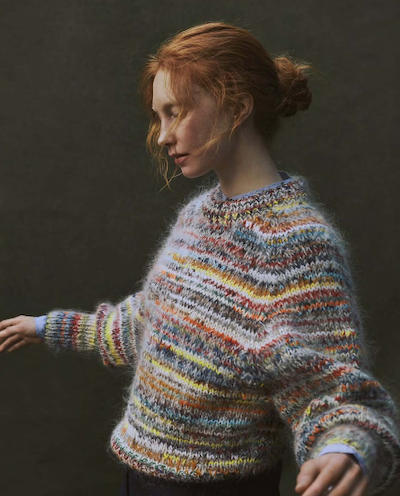
Ethical hand-knit production combining artisanal texture with commercial consistency.
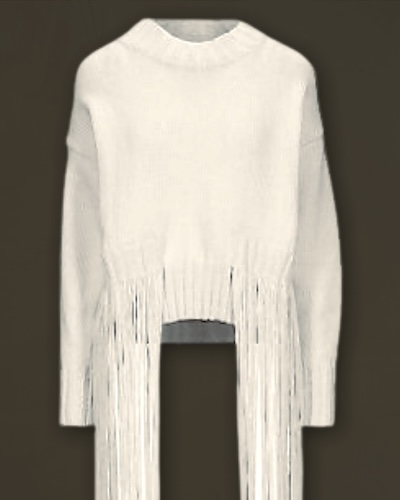
Runway showpieces featuring custom long-fringe hand-knits, knitted stitch by stitch.
[TESTIMONIAL REQUIRED]
A short quote from a quality or compliance lead at an approved named client, evidencing consistency across a commercial run held by the written-pattern method. Subject to written permission.
What sourcing directors ask us.
Every artisan knits from the same written pattern for her size and knits her own tension swatch before starting, so gauge is set before the garment begins. A four-phase check then measures the finished piece against the pattern.
The finished piece is checked in four phases against the written pattern before dispatch: gauge and measurement, construction and joining, finishing and hand feel, and final inspection against the swing tag.
Because the pattern, not a sketch, is the standard. With no abbreviations and one pattern per size, there is nothing left to the knitter's interpretation, so gauge holds across the run.
Yes. Every garment carries a swing tag identifying the named artisan who knitted it from first stitch to last.
KOCO is a certified B Corporation aligned to nine UN Sustainable Development Goals. The written-pattern method and the four-phase check are part of the evidenced process behind those credentials.
Send us your tech pack.
We will come back with feasibility, indicative costing and lead times for your hand-knit project.