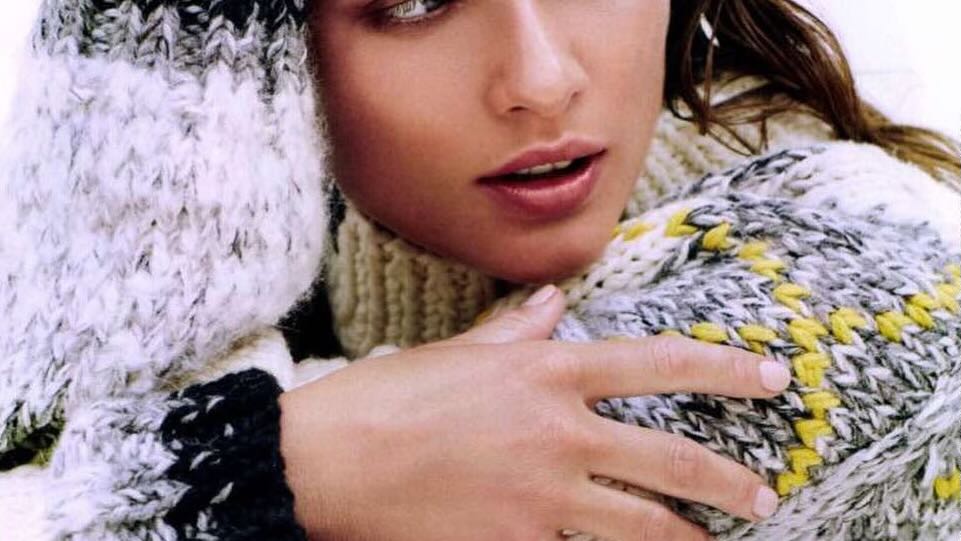
Inside the Haute Tricot methodology: how written pattern precision turns raw wool and silk into runway couture.
- High fashion embraces hand-knitting for its unrepeatable texture, sustainability, and unique artisanal value.
- Missoni, Vivienne Westwood, Chanel, Sonia Rykiel, and Alexander McQueen revolutionized knitwear on global runways.
- Haute Tricot methodology: 50-page unabbreviated written patterns ensure precision across every size.
- Timber and bamboo needles provide delicate tension control for mohair, silk, and merino fibers.
In the fast-paced world of high fashion, where trends come and go in the blink of an eye, a timeless craft continues to captivate designers and fashion enthusiasts alike: hand-knitting.
Far from being relegated to the realm of cosy homemade jumpers, the art of hand-knitting and hand-knitted garments have found their place on the most prestigious runways around the world. In this exploration of hand-knitting in haute couture, we explore the work of legendary designers who have developed this ancient craft to new heights of artistry and innovation.
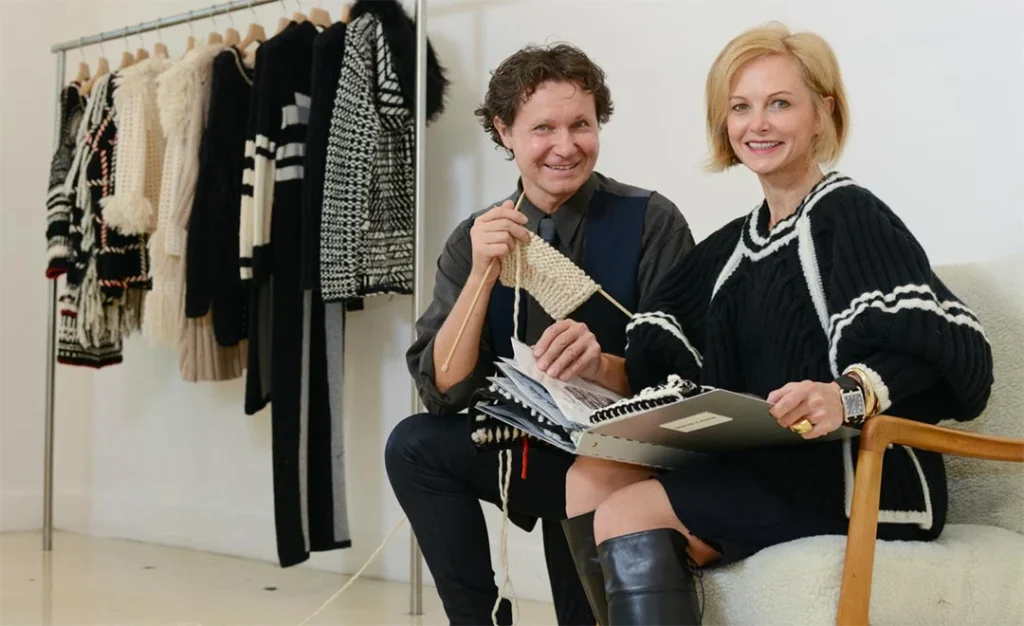
Couture knitwear demands a level of precision that goes far beyond traditional handcraft. At KOCO Knitting, we call our systematic methodology Haute Tricot—a bridge between artisan tradition and commercial garment engineering.
Masters of the Craft: Iconic Designers & Their Legacy
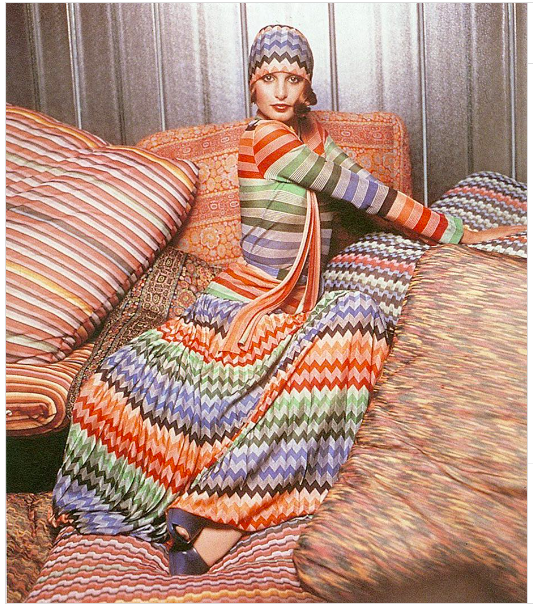
Missoni's Zigzag Revolution: Founded in 1953 by Ottavio and Rosita Missoni, the Italian fashion house made multi-hued space-dyed chevron stitches an international symbol of luxury.
Vivienne Westwood's Punk Craft: Subverting traditional British Argyle and Fair Isle with dropped stitches and deconstructed silhouettes.
Chanel & Sonia Rykiel: From Chanel's bouclé-inspired cardigans to Sonia Rykiel's 'Queen of Knits' reversed-seam jumpers that defined 1960s liberation.
Alexander McQueen & Issey Miyake: McQueen's dramatic, wearable art and Miyake's techno-craft A-POC seamless innovations.