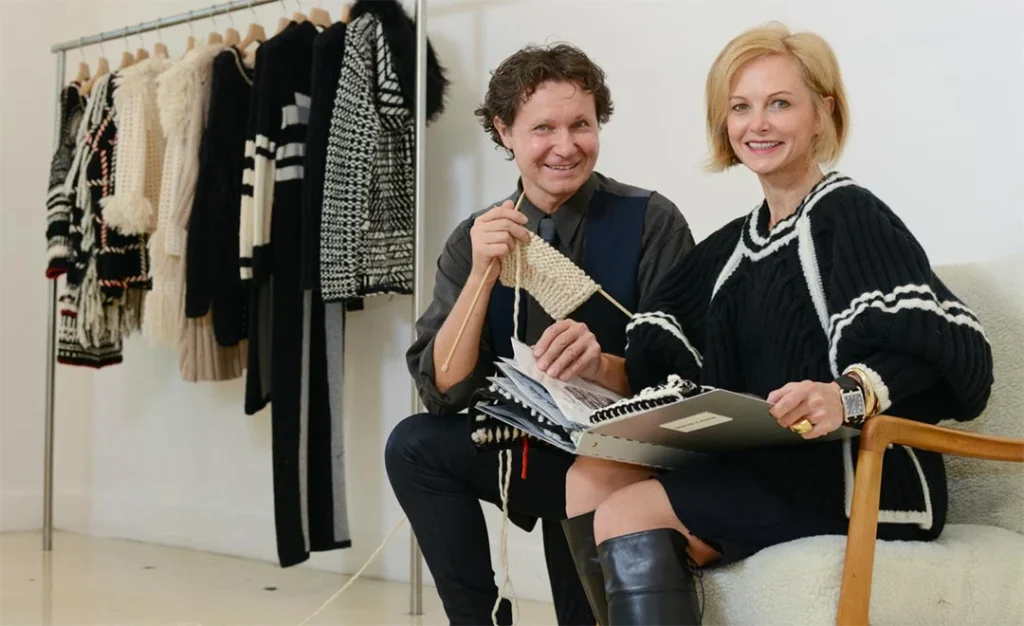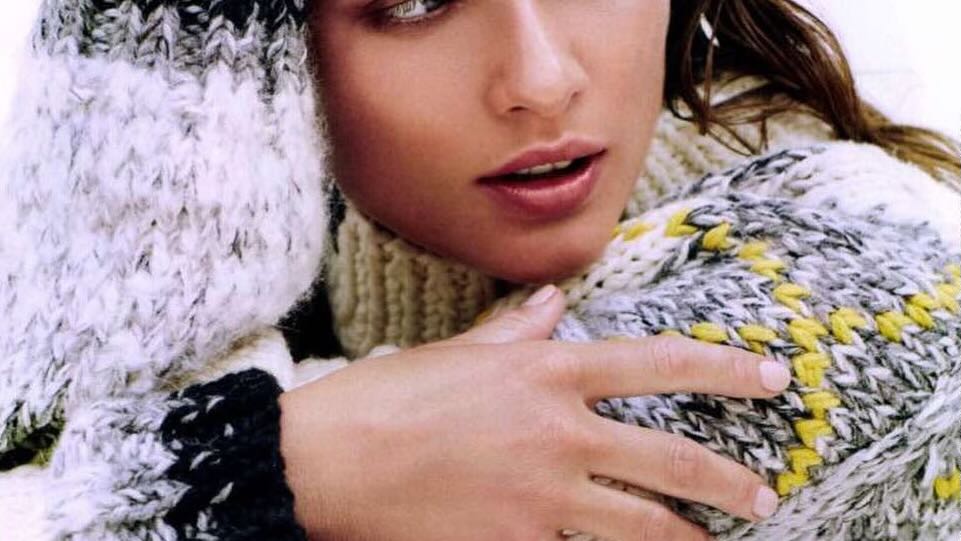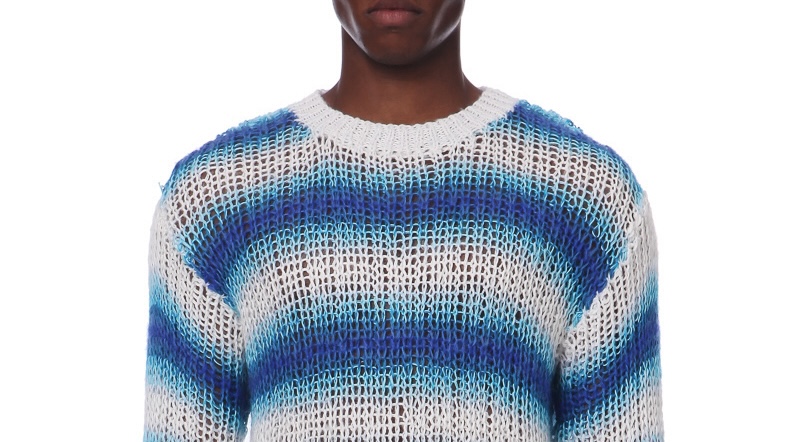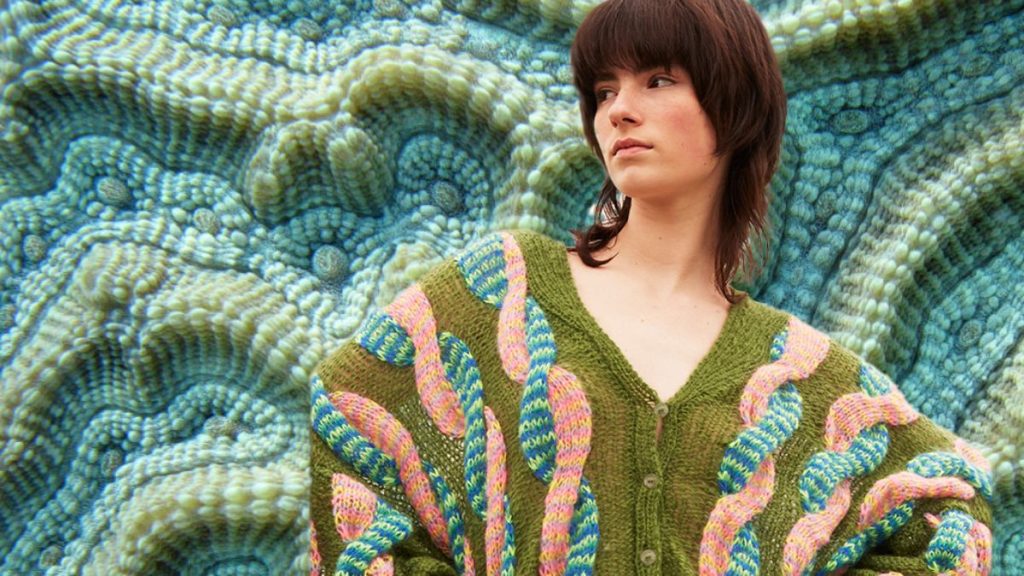
An analysis of how global luxury brands are moving away from machine perfection towards authentic, tactile hand-knit craftsmanship.
- Trend Analysis: Crucial for guiding designers and brands in making informed decisions about hand-knitting fashion.
- Historical Influence: Traditional Fair Isle, Andean, and Shetland lacework shape contemporary runway pieces.
- Sustainability Focus: Growing demand for eco-friendly knitwear using organic, recycled, or biodegradable yarns.
- Technological Integration: Digital patterns and artisan networks modernise zero-electricity hand-knitting.
In the ever-evolving fashion world, trend analysis is crucial in guiding designers, brands, and retailers towards making informed decisions about their products and strategies. By understanding current and emerging trends, especially with trends in hand-knitting, industry professionals can anticipate consumer preferences, adapt to market demands, and stay ahead of the competition.
Trend analysis helps identify shifts in consumer behaviour, technological advancements, and cultural influences that shape the fashion landscape. Hand-knitting, once considered a traditional craft, has recently experienced a remarkable resurgence. This revival has brought a wave of innovation, creativity, and renewed appreciation for artisanal techniques.
As we explore the evolution of hand-knitting in fashion, we'll reveal how this age-old craft has adapted to modern sensibilities and technological advancements, making it a vital component of contemporary fashion.
Historical Trends & Early Influences
Hand-knitting has a rich history dating back centuries, with traditional techniques from various cultures influencing modern knitting practices.
The intricate Fair Isle patterns of Scotland, the colourful motifs of Andean knitting, and the delicate lacework of Shetland are just a few examples of historical methods that continue to inspire contemporary designers.
These traditional techniques often involve complex patterns and time-intensive processes, reflecting the deep cultural significance of hand-knitting.
Sustainability & Modern Artisanal Manufacturing
Today's sourcing directors and compliance leads demand zero-electricity, verifiable ESG credentials. Hand-knitting by definition consumes zero power during production, making it the ultimate slow-fashion solution.
At KOCO Knitting, our 50-page written patterns give women artisans in rural Tamil Nadu the tools to execute high-fashion designs with mathematical accuracy, proving that ethical social impact and commercial luxury coexist seamlessly.